
Half of Dublin Port scholars were first in their family to attend university
16 October 2026
- Survey of 145 recipients in Dublin 1, 2, 3 & 4 finds 82% say the bursary changed their life trajectory
- Nine in ten faced financial barriers when considering higher education
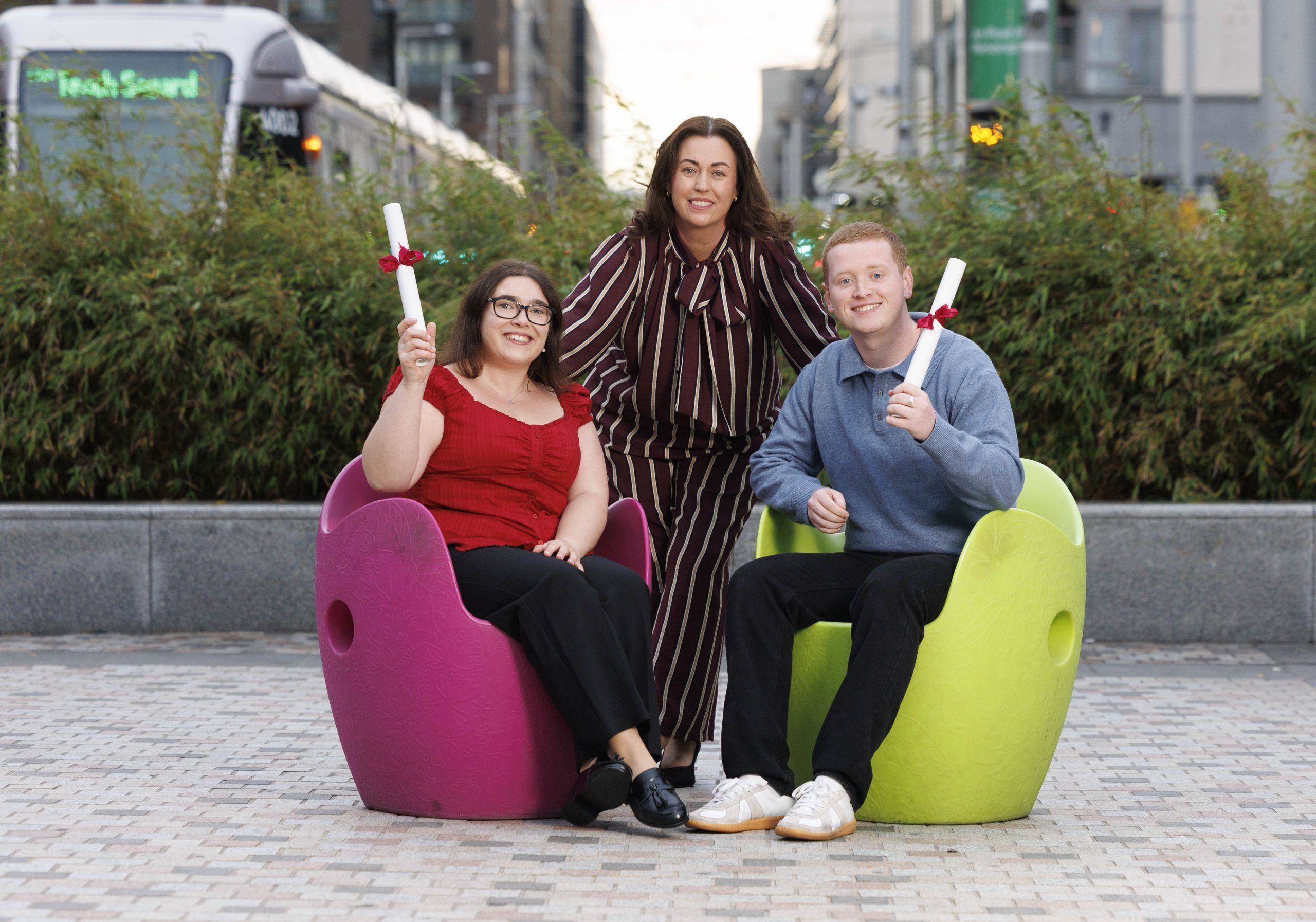
Half of Dublin Port Scholarship recipients (48%) were the first people in their family to attend third-level education, according to a survey conducted by Dublin Port to mark the 25th anniversary of its scholarship programme.
Nine in ten recipients (90%) cited financial difficulties as a key challenge when considering third-level education.
The survey, of 145 scholarship recipients from Dublin Port’s communities in Dublin 1, 2, 3 and 4, highlights the continued role that financial support and family educational background can play in access to higher education.
Since 2001, the Dublin Port Scholarship Programme has supported local students by providing bursaries annually over a maximum of four years, to help them take the next step in their education. The bursary currently stands at €1,000 per annum.
View the Impact Report here.
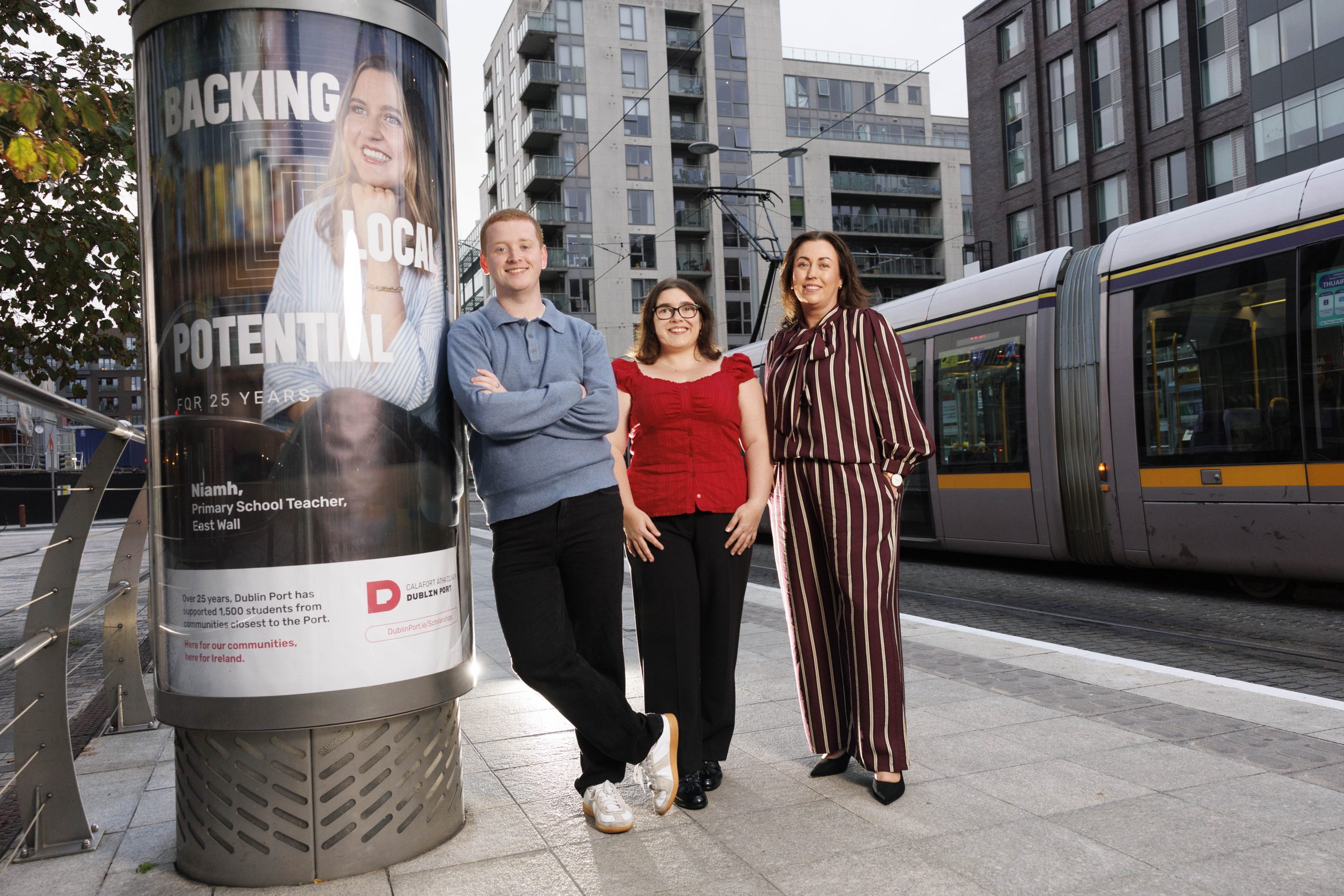
The initiative has awarded more than €1.5 million to approximately 1,500 students, whose achievements were celebrated last night at an event in the Gibson Hotel attended by Port CEO Barry O’Connell and leader of Sinn Féin and TD for Dublin Central Mary Lou McDonald, who previously marked the 21st anniversary of the programme in 2022. The event was hosted by broadcaster Doireann Garrihy.
Edel Currie, Community Engagement Manager at Dublin Port, said: “For 25 years, the Dublin Port Scholarship has been about giving talented young people from our local communities the opportunity to pursue their ambitions, regardless of their financial circumstances.
“While the financial support is important, the impact of the Scholarship goes beyond the €1,000 bursary. It can give students the confidence to take a path that may not have previously felt open to them, while helping to ease some of the day-to-day costs that can make third-level education more difficult.
“Dublin Port relies on the collaboration of our neighbours, and we have a longstanding relationship with the communities around us, with generations of people working in and alongside the Port. We are incredibly proud that, over 25 years, the programme has supported approximately 1,500 students and continues to create opportunities for young people locally.”
Mary Lou McDonald, Sinn Féin President and TD for Dublin Central, said: “Every young person should have the opportunity to pursue their ambitions and reach their full potential, regardless of their family’s financial circumstances or background. However, for many students, the cost of going to college remains a significant barrier.
“The findings of this survey highlight the difference that practical financial support can make, particularly for those who may be the first in their family to attend third-level education. For 25 years, the Dublin Port Scholarship Programme has helped young people from local communities take that next step, opening doors to opportunities that might otherwise have been out of reach.
“Congratulations to Dublin Port on reaching this important milestone, and to the 1,500 students who have benefited from the programme over the past quarter-century. Investing in young people is an investment in the future of our communities.”
According to data from the Higher Education Authority, students from disadvantaged backgrounds are most likely to drop out, with 23% of them failing to make it to second year, compared to just a 5% dropout rate among Dublin Port scholars surveyed.
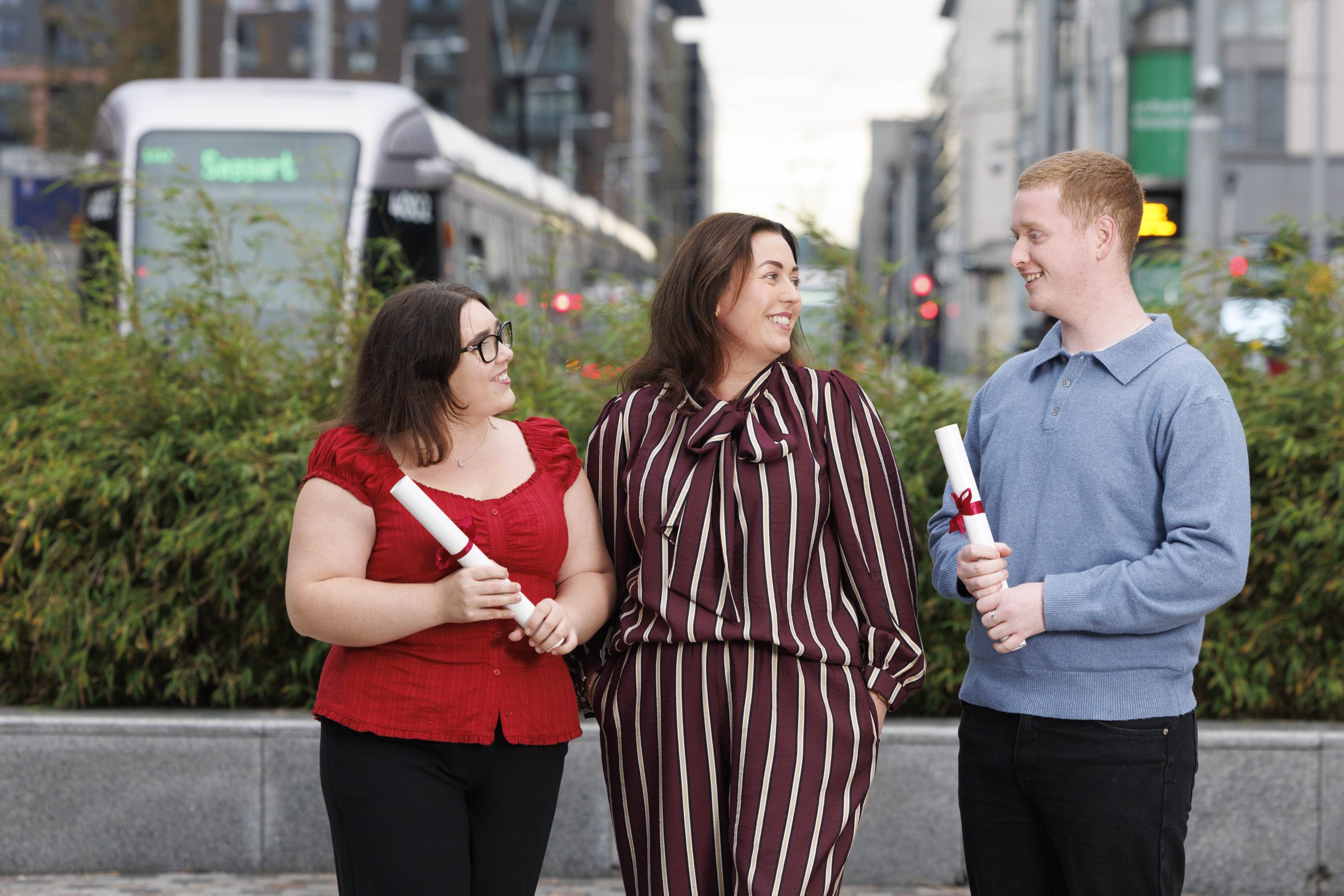
The survey also found that 48% of recipients were the first person in their family, including parents, siblings and grandparents, to attend third-level education, while a further 32% were among the first generation in their family to do so. Combined, 80% of recipients were the first, or among the first, in their family to attend university, highlighting the role of the Scholarship in supporting students who may not have had a family precedent for progressing to third-level education.
Over two thirds (67%) of scholars reported they have a family connection to Dublin Port.
Many recipients reported that, without the financial assistance, they would have progressed more slowly, deferred their studies or not enrolled in their degree. The bursary can help offset often-hidden costs of higher education, including extra registration and exam fees, laptops, transport and specialist supplies.
The survey also found that 82% of recipients said the Scholarship changed their life trajectory.
The programme has helped scholars make the most of their time at institutions including Trinity College, UCD, TUD and Maynooth University.
The long-term impact of that support is reflected in the 93% of recipients who are now working or studying. Among graduated scholars, 24% are working across healthcare and social work, in roles including firefighter, medical doctor, child protection officer and midwife, while a further 19% work across primary, secondary and third-level education.
The majority of survey respondents attended Ringsend College, Marian College, St Joseph’s CBS Fairview, Muckross Park College and Marino College.
Dublin Port’s mandate is to enable international trade for Ireland, and over the 25 years of the Scholarship Programme, it has continued to grow and support the Irish economy, operating around the clock through challenges including Brexit and the COVID-19 pandemic. Alongside its communities, the Port has continued to grow and develop, with generations of people from Dublin’s port communities working in and alongside the Port. As Dublin Port invests in the infrastructure needed to safeguard Ireland’s future trade and economic growth, it remains committed to creating new opportunities for young people and investing in the communities that have supported it for generations.
Amy Doyle, past scholarship recipient and neuroscience PhD student at Imperial College London,spoke at last night’s event at the Gibson Hotel, where she shared her experience of overcoming barriers to education and commended Dublin Port for its clear message of support to local students.
She said: “Growing up in Ringsend, there was an unspoken sense that certain paths, certain universities and certain careers simply were not for people like us. Not because of a lack of talent or ambition, but because no one around you had walked that road before. The Dublin Port Scholarship was that bridge. It was my community saying: ‘We see you, we believe in you and we want to invest in what you can become.’”